The Sand Plough Anchor (also known as Plough Anchor, CQR-type Anchor, or Drag Embedment Anchor) is a traditional, time-tested anchor design essential for reliable mooring in soft seabeds such as sand, silt, gravel, and mixed bottoms.
Key Features:
- Strong welded construction – designed to withstand high loads in demanding marine environments
- High holding power-to-weight ratio – provides strong holding power by digging into the seabed and creating a fixed point
- Versatile seabed compatibility – performs well in sand, mud, silt, and mixed soil bottoms
- Two delivery options – available in welded type or bolted type (bolted design saves container space and reduces shipping costs)
- Widely used in aquaculture – commonly specified for fish farm mooring systems and offshore installations
Available Finishes & Certifications:
- Surface treatment: Hot-dip galvanized, black bitumen paint, or customized finish
Sand Plough Anchor Diagram:
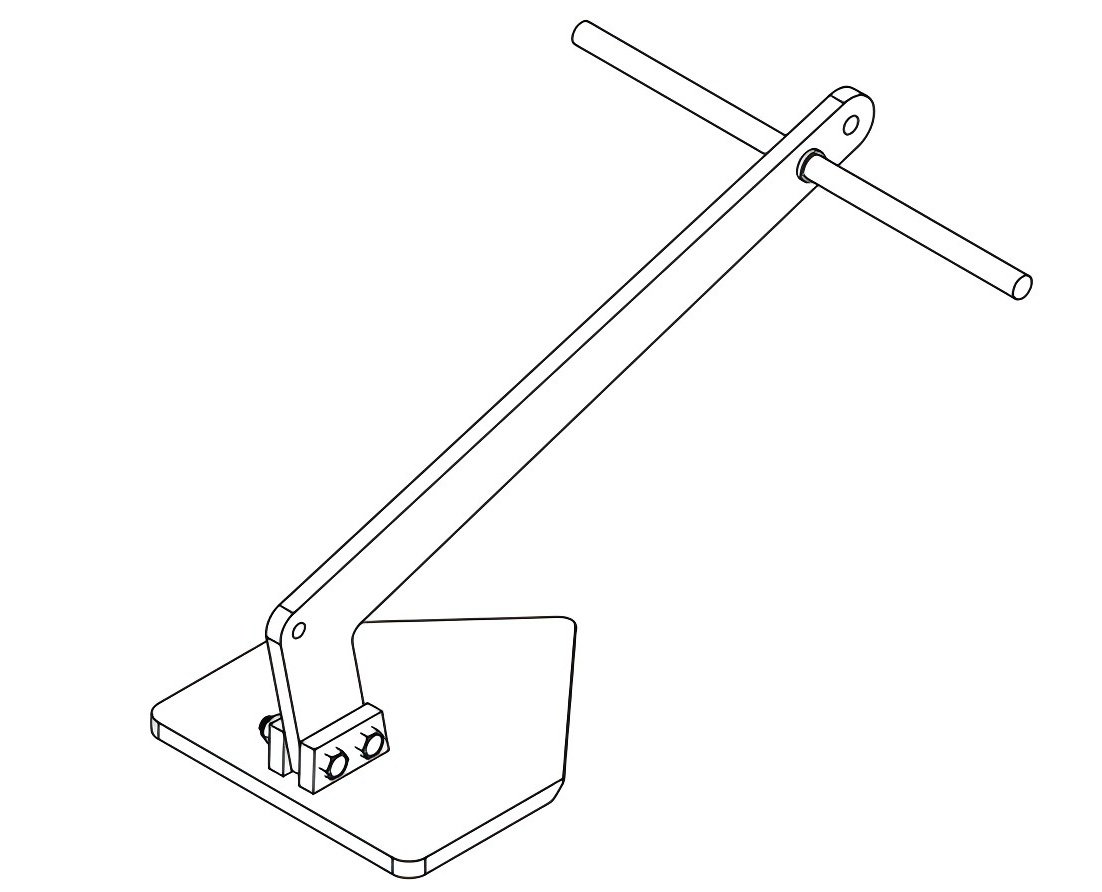
Specification of Sand Anchor Plough Anchor:
| Weight(kg) | Holding Power (Tons) | Break Load (Tons) | Proof Load ( N ) |
| 500 | 10 | 30 | 15 |
| 750 | 15 | 45 | 22.5 |
| 1000 | 20 | 60 | 30 |
| 1500 | 30 | 90 | 45 |
| 2000 | 40 | 120 | 60 |
| 2500 | 50 | 150 | 75 |
Frequently Asked Questions (FAQ)
1. What Seabed Conditions is this Anchor Suitable for?
The Sand Plough Anchor is designed for sand, mud, silt, and soft bottoms—the most common seabed types in aquaculture farms. Its plow-shaped tip penetrates the seabed quickly and its holding power increases with tension—the greater the tension, the deeper the hold. Unlike some anchor types, it also holds well on weedy bottoms, making it suitable for various mixed seabed conditions.
2. What are the Advantages of the Modular Design?
The modular anchor design is based on our 20 years of export experience and customer feedback. Traditional welded anchors are one-piece—a single large anchor occupies half a container. Our modular design allows the anchor to be disassembled into multiple parts for transport and reassembled on-site using basic tools.
For example—shipping to Norway: a 40-foot container can only hold six 1.5-ton welded anchors, but can hold 15 modular anchors. The shipping cost savings per anchor are significant, far exceeding the time required for on-site assembly. Tensile tests confirm that the assembled anchor has the same holding power as the welded anchor.
3. What Weight Range of Anchors can You Produce?
For aquaculture applications, our most popular weight range is 300 kg to 3,000 kg. Dimensions vary with weight—a 500 kg anchor is approximately 2.1 meters long, and a 3,000 kg anchor is approximately 3.3 meters long.
4. What is the Surface Treatment of this Anchor?
Sand Plough anchors are painted—this is the choice of most aquaculture customers. Painting provides sufficient corrosion protection at a controllable cost, suitable for marine environments.
5. Are there other Ways to Reduce Total Procurement Costs?
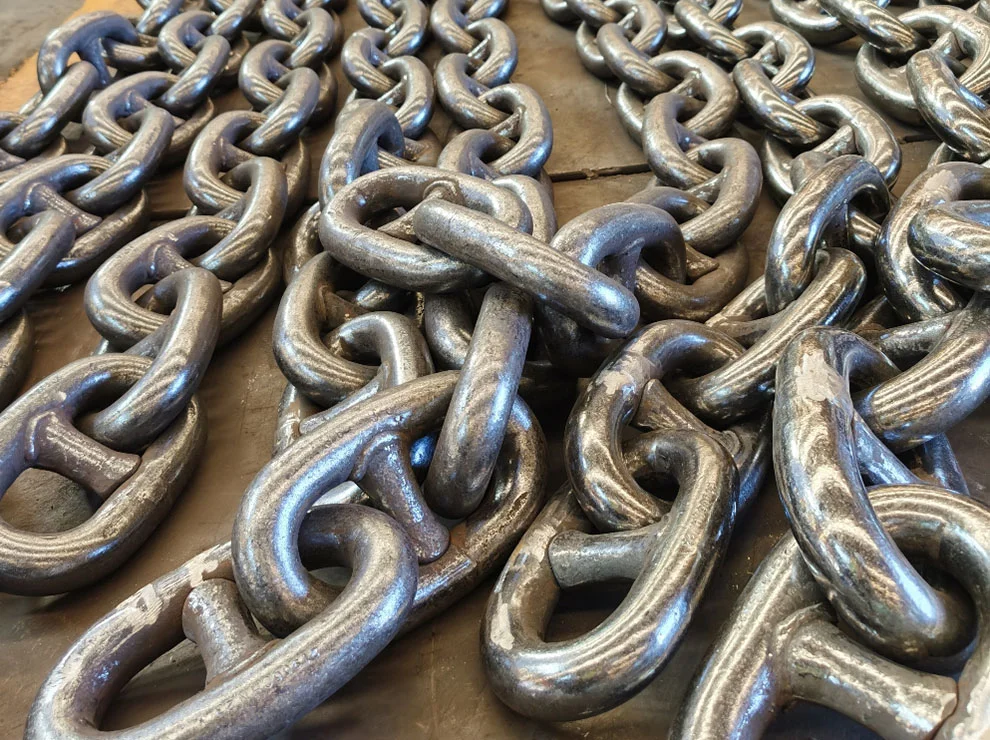
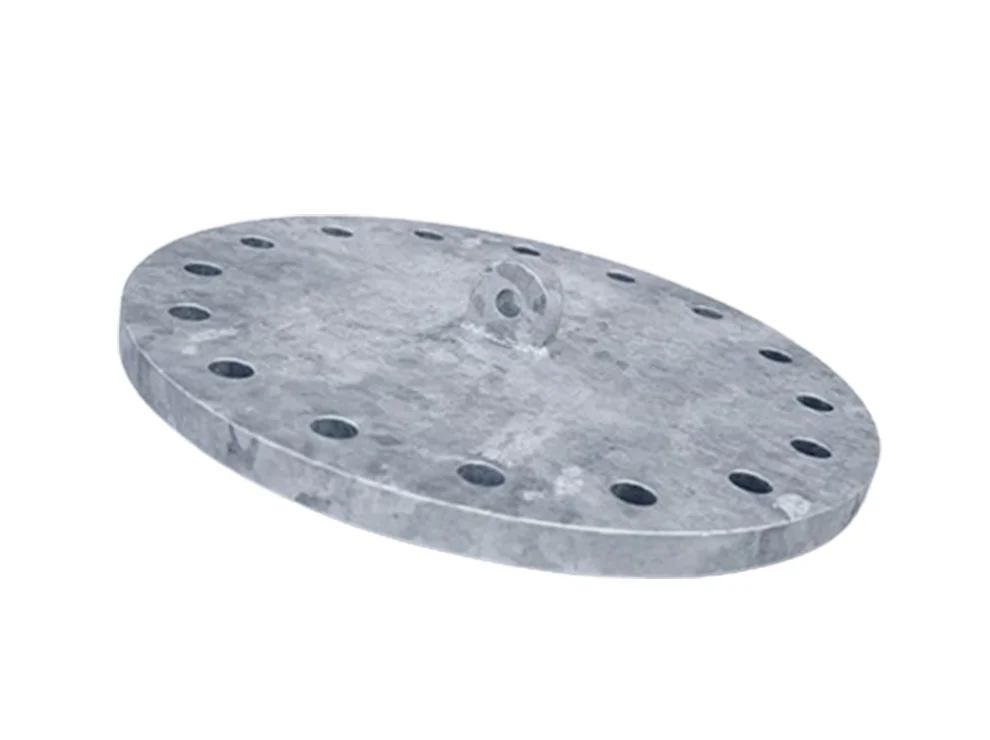
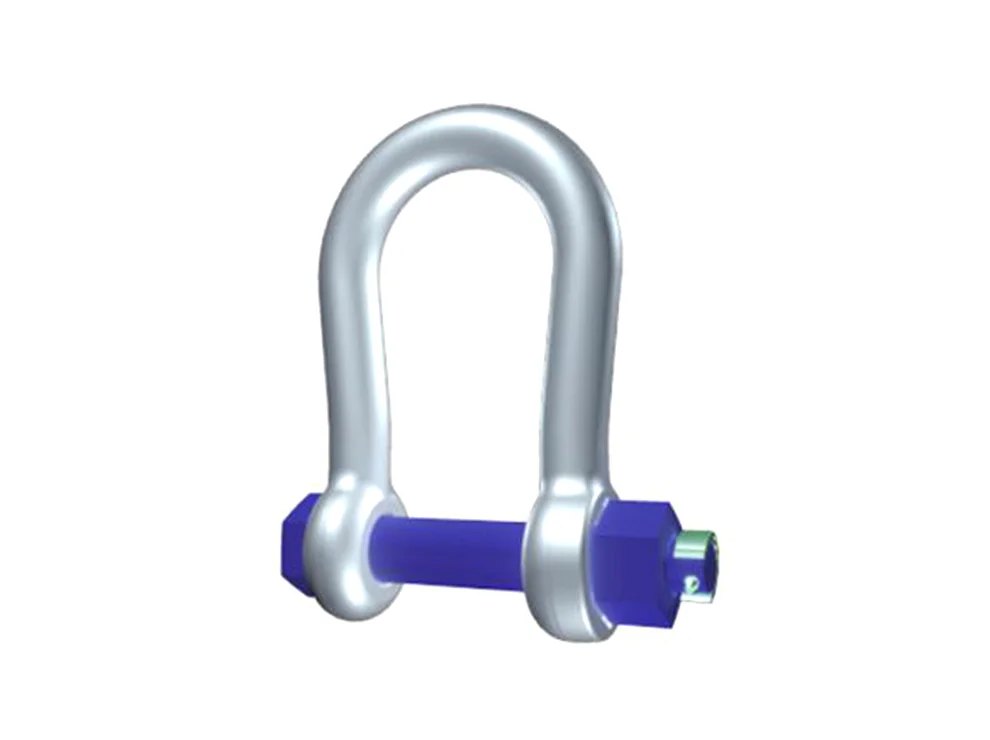
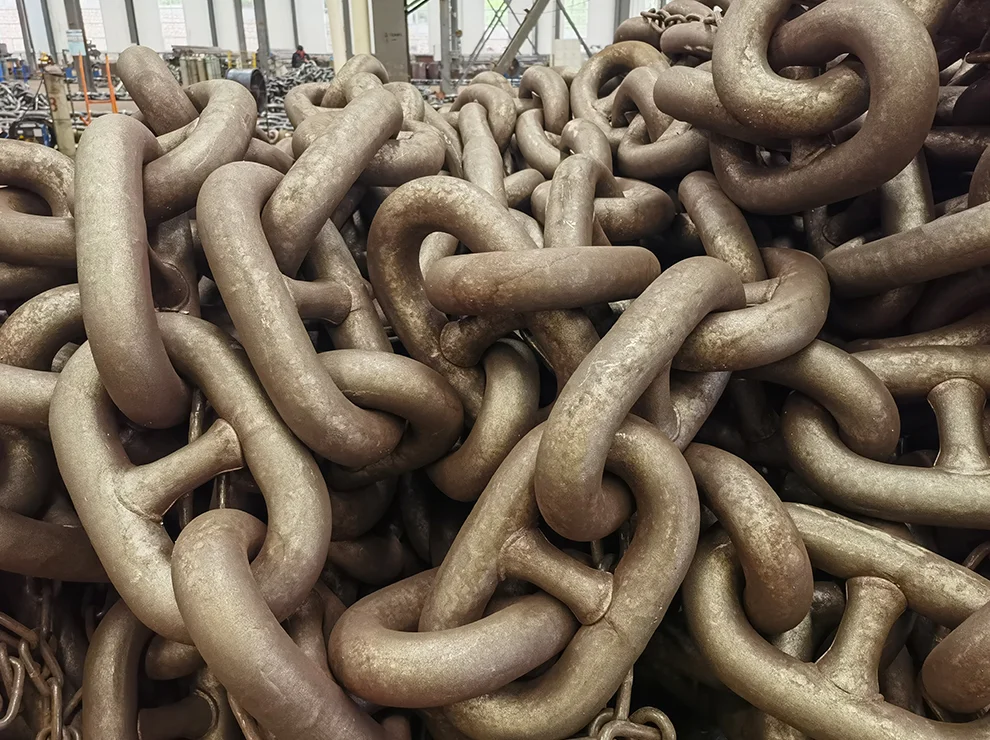
Yes, SMEOCEAN can provide complete mooring systems—including anchors, chains, shackles, swivel joints, sleeves, mooring discs, and all accessories—all packed in one container for one shipment and one customs clearance.
Customs clearance and ocean freight are shared across all products, reducing management time and procurement workload.
If you are planning to build a new fish farm, please tell us the number of your net cages and the water depth—we will prepare a complete list of mooring systems for you, with all components matched correctly, ready for shipment in one go.